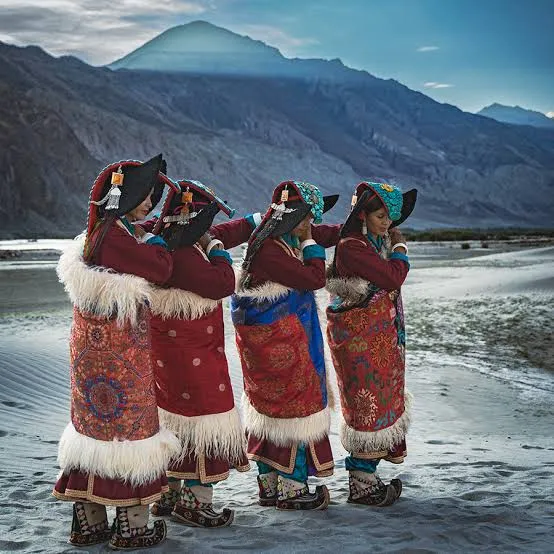
Ladakh is a land of jagged peaks and sprawling desert, where ancient monasteries are draped in prayer flags and Buddhist monks share words of wisdom with travellers passing through.
Ladakh does not offer you things to do — it offers you experiences that change how you see the world.
A sunrise over Pangong Lake that turns the water from charcoal to cobalt before you have finished your first cup of chai. The physical silence at the top of Khardung La where the wind is the only sound and the horizon curves away in every direction. The warmth of a monastery kitchen when a monk hands you a bowl of butter tea and asks nothing in return. Walking on a frozen river in January while ice walls rise 200 metres above you on both sides.
These are not activities on a checklist. They are the reasons people come to Ladakh once and spend the rest of their lives talking about coming back.
This guide covers the 10 best things to do in Ladakh — from the iconic to the quietly extraordinary, with honest practical details on cost, best time, who it suits, and what to actually expect. Whether you are planning your first Ladakh trip or your fifth, this is where your itinerary starts.
Top 10 Things to do in Ladakh
1. Camp Overnight at Pangong Tso Lake
Best Time: June–September Cost: ₹2,500–₹10,000 per person (per night, with meals) Best For: Couples, families, first-time visitors, photographers Duration: 1 night minimum
If there is one single thing to do in Ladakh that every traveller — regardless of fitness, budget or travel style — should make a priority, it is spending a night at Pangong Tso.
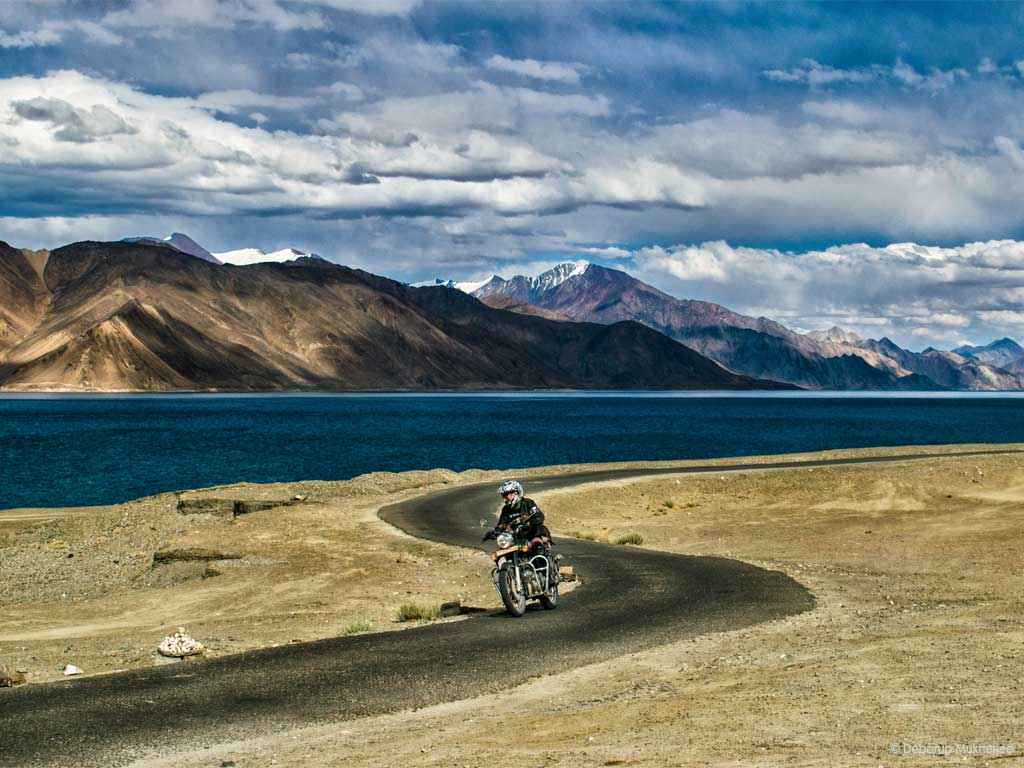
Pangong Lake sits at 4,350 metres. It stretches 134 km across the India-China border, and the portion accessible to Indian tourists shifts colour through the day in a way that photographs approach but never fully capture — deep navy at dawn, cobalt blue by mid-morning, turquoise in full afternoon sun, golden at sunset, and then extraordinary starlit darkness after 11 PM when the area's limited power switches off.
The experience is not just the lake. It is waking at 4:30 AM before the camp stirs, stepping outside, and watching the first light arrive over the eastern ridges in silence, with no phone signal, no notifications, and nothing between you and one of the most beautiful landscapes on earth.
What to know before you book:
Book camps at least 3–4 weeks in advance in peak season (June–August) — the best properties fill early
Always confirm attached bathrooms — shared facilities at 4,350m in near-freezing temperatures are a significant quality-of-life issue
The drive from Leh via Chang La (5,360m) takes 5–6 hours — plan for a full day's travel
For the finest Pangong experience, consider Saser Scenic Pangong at Merak Village — private lake-view rooms, the largest in the Merak area, with quality dining and a dedicated viewing deck — bookable through go2ladakh.in
Why it makes the list: No activity in Ladakh matches this one for sheer emotional impact. The lake at night, the Milky Way, the silence, the altitude — it is unlike anywhere else on earth.
2. Ride to Khardung La Pass
Best Time: May–October Cost: ₹1,500–₹2,500/day (Royal Enfield rental in Leh) or by taxi ₹2,500–₹3,500 (shared) Best For: Bikers, adventure travellers, road trip enthusiasts Duration: Half day (en route to Nubra) or standalone day trip
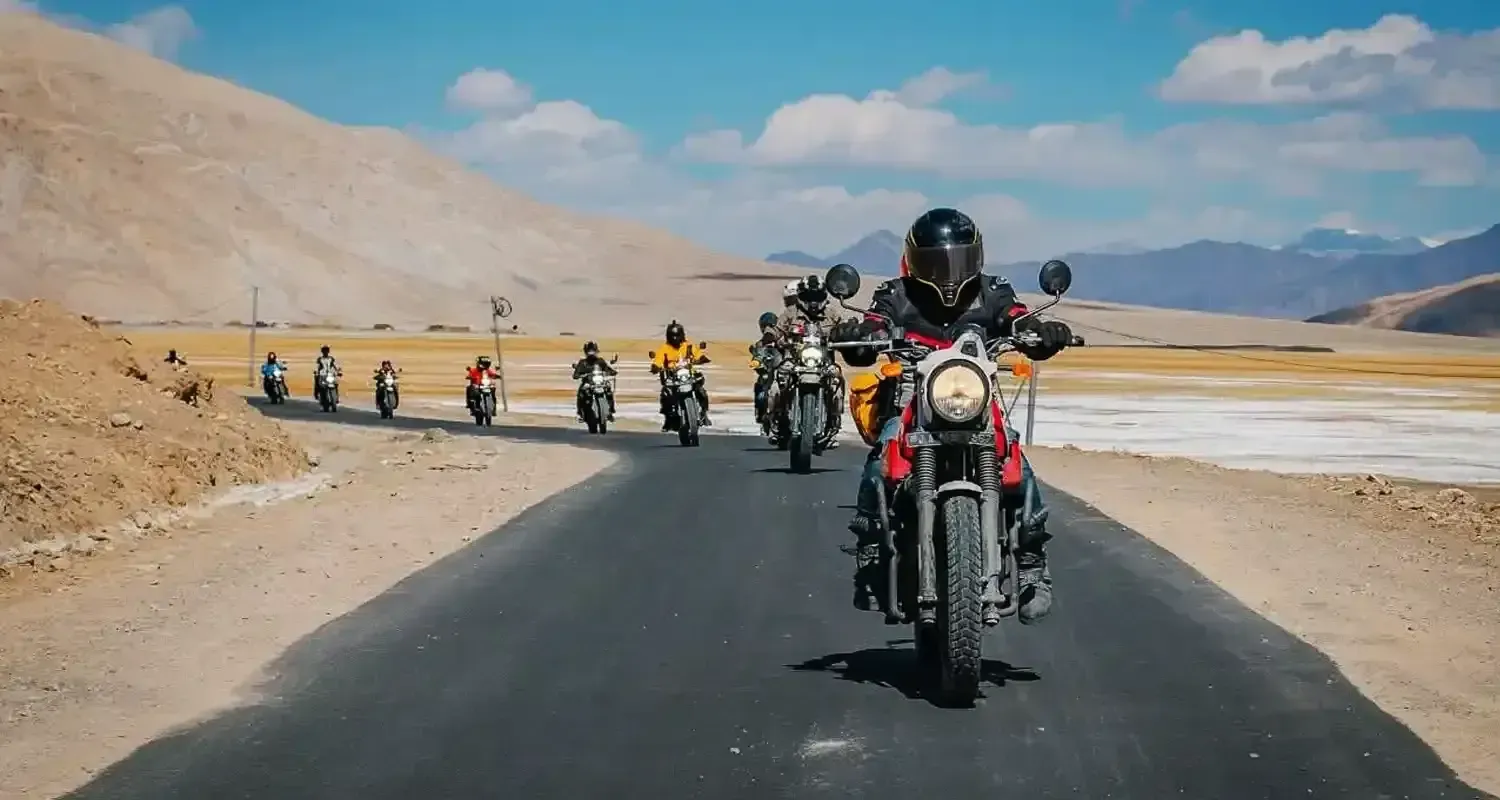
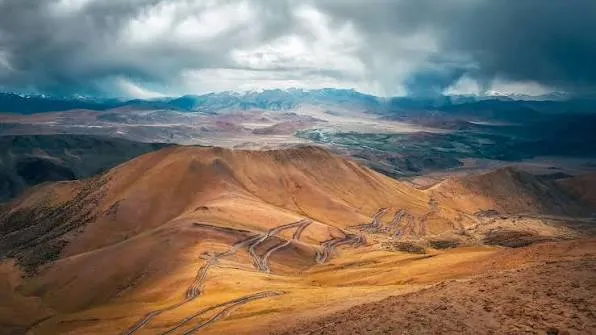
Khardung La, at 5,359 metres, is one of the world's highest motorable roads — and riding to it is one of Ladakh's most celebrated experiences. The road climbs from Leh through the South Pullu checkpost, through increasingly dramatic switchbacks above the treeline, and then above the snowline, until it crests at the pass where prayer flags snap in wind so thin and cold it feels entirely different from the air below.
The view from the top — the Ladakh Range to the south, the Nubra Valley beginning its descent to the north — is one of the finest accessible mountain panoramas in India.
For bikers, Khardung La is more than a pass — it is a milestone. The signboard at the top with its altitude claim is one of the most photographed objects in all of Ladakh.
What to know:
Do not spend more than 20–30 minutes at the summit — altitude symptoms intensify with time at 5,359m
A warm jacket is essential even in July — the summit is cold and wind-swept at all times
The Khardung La permit is included in the Inner Line Permit for Nubra Valley — get yours at lahdclehpermit.in before departing
The road is shared with army vehicles — ride carefully and give way
Practical tip: Most visitors combine Khardung La with a 2-day Nubra Valley trip — riding up and over into the valley on Day 1 and returning the following day.
3. Explore Nubra Valley
Best Time: May–October Cost: ₹400–₹600 (camel ride), ₹700–₹1,200 (ATV ride), ₹1,000–₹3,000 (accommodation per night) Best For: Families, couples, first-time visitors, adventure travellers Duration: 2 days recommended
Nubra Valley is Ladakh's great surprise. You cross Khardung La expecting more of the same barren high-altitude landscape — and instead find a wide, warm valley with sand dunes, Bactrian camels, apricot orchards, and a climate noticeably warmer than Leh.
The Hunder sand dunes are the centrepiece: a stretch of white sand in a valley ringed by the Karakoram and Ladakh ranges, with double-humped Bactrian camels available for rides across the dunes. The contrast — desert sand at 3,000 metres with glaciated peaks on every side — is quintessentially Ladakh.
What to do in Nubra Valley:
Bactrian camel safari at Hunder sand dunes (₹400–₹600, 20–30 minutes) — one of India's most surreal wildlife experiences
Diskit Monastery — Nubra's oldest and most important monastery, with a 32-metre Maitreya Buddha statue visible from across the valley
ATV quad bike rides across the dunes (₹800–₹1,200 for 15 minutes)
Turtuk village — India's last village before the Pakistan border, 70 km from Hunder, with a unique Balti culture entirely different from the rest of Ladakh
Panamik hot springs — natural sulphur springs in the upper Nubra Valley, genuinely restorative after a long road day
What to know: An Inner Line Permit is required for Nubra — apply at lahdclehpermit.in before leaving Leh.
4. Trek the Markha Valley
Best Time: June–September Cost: ₹18,000–₹28,000 per person (guided, 7–8 days, all inclusive) Best For: Experienced trekkers, nature lovers, cultural immersion seekers Duration: 7–8 days
The Markha Valley Trek is Ladakh's most celebrated multi-day trail — and the reputation is entirely earned. The route passes through the heart of Hemis National Park, follows the Markha River through ancient villages, and culminates with the crossing of Kongmaru La (5,200m) — a high-pass finale with panoramic views of Kang Yatse, Dzo Jongo and Stok Kangri simultaneously.
What makes Markha Valley exceptional is not just the landscape but the combination: genuine wilderness camping and homestay culture, Buddhist monasteries in remote cliff settings, river crossings, high-altitude meadows, and the particular satisfaction of covering real terrain on foot in one of the world's most dramatic environments.
The "tea-house trek" reputation comes from the network of homestays along the route — local families who open their homes to trekkers, serving dal chawal and butter tea and providing some of the most authentic cultural immersion available anywhere in the Indian Himalaya.
What to know:
Hemis National Park entry permit required (₹25/person/day)
Minimum 3 days' acclimatisation in Leh before beginning
A licensed local guide is strongly recommended
Best month: September — cooler, clearer, fewer people
5. Visit the Monastery Circuit
Best Time: Year-round (best May–October) Cost: ₹30–₹100 per monastery (entry fees) + taxi ₹2,000–₹3,500 for the circuit Best For: All travellers — cultural, spiritual, architectural interest Duration: Full day from Leh
Ladakh has more monasteries per square kilometre than almost anywhere else in the Buddhist world — and the best of them, within 40 km of Leh, are accessible on a single day circuit.
The essential monastery day from Leh:
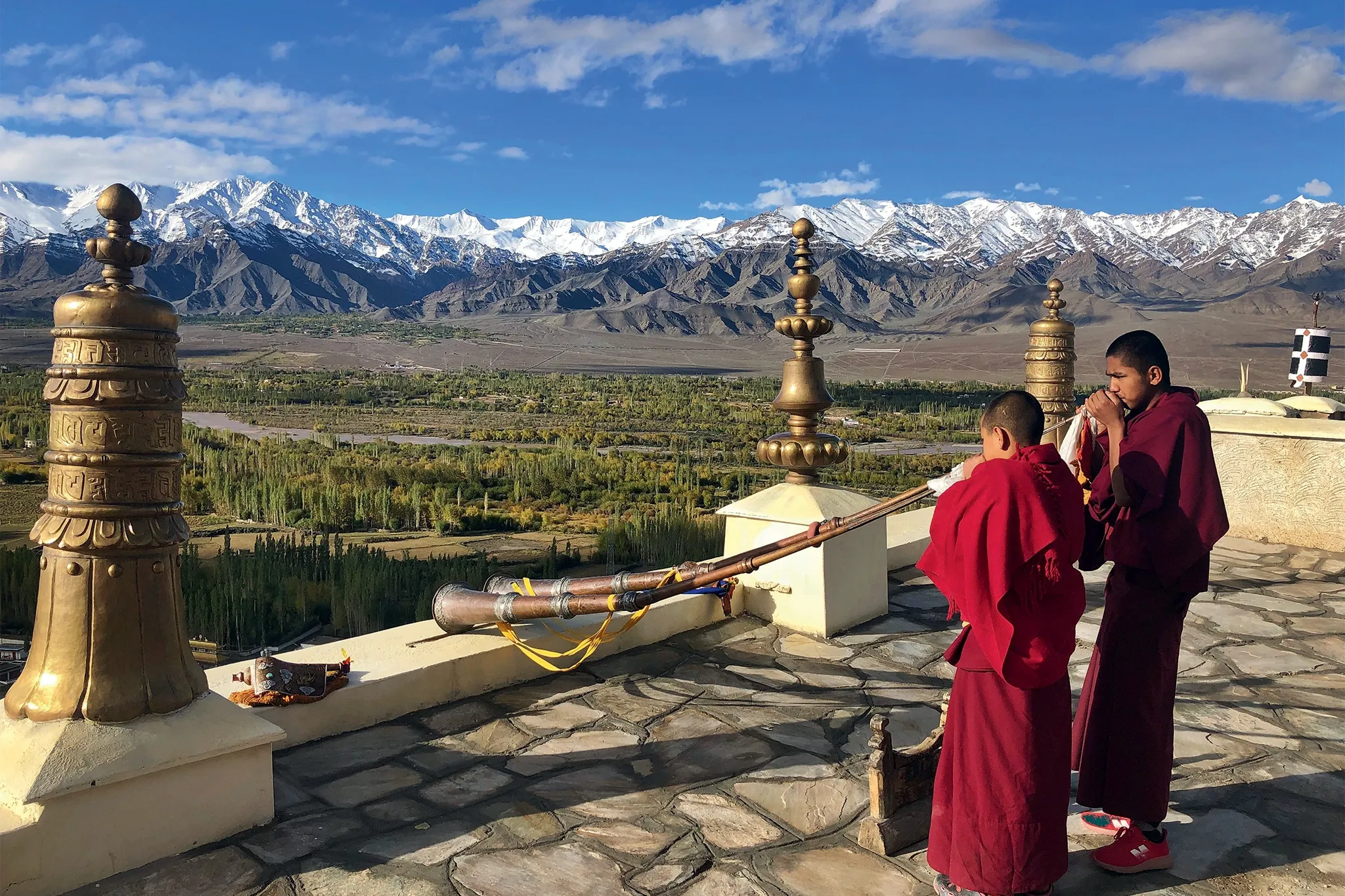
Thiksey Monastery (20 km from Leh) is the visual centrepiece — a 12-storey complex stacked on a hilltop above the Indus Valley, often called Ladakh's "mini Potala". Arriving before 6 AM for morning prayers, with butter lamps lighting the assembly hall and monks chanting in the half-dark, is one of Ladakh's finest quiet experiences.
Hemis Monastery (45 km) is the largest and wealthiest monastery in Ladakh — home to approximately 500 monks and one of the finest collections of Tibetan Buddhist art in the region. The annual Hemis Festival (June–July) features masked Cham dances by monks in extraordinary costumes.
Stakna sits on a rocky outcrop directly above the Indus River — dramatic setting, far fewer visitors than Thiksey or Hemis, and one of the finest river-level views in the Leh Valley.
Shey Palace (15 km) was the ancient summer capital of Ladakh's kings — the monastery here contains a 7.5-metre gilded Shakyamuni Buddha, one of the largest indoor Buddha statues in Ladakh.
Alchi Monastery (70 km) is the oldest and most architecturally extraordinary — 10th–12th century murals that are among the finest surviving examples of early Himalayan Buddhist art anywhere.
What to know: Dress modestly (covered shoulders and knees). Photography rules vary by monastery — always ask. Remove shoes before entering prayer halls.
6. River Rafting on the Indus and Zanskar
Best Time: June–September (peak flow June–July) Cost: ₹800–₹2,500 per person (beginner section); ₹3,500–₹8,000 (advanced Zanskar gorge) Best For: Adventure seekers, families (beginner sections), groups Duration: 2–6 hours depending on section
River rafting in Ladakh puts you in some of the most spectacular gorge scenery in Asia. The Zanskar River, which cuts through a 200-metre-deep gorge before joining the Indus at Chilling, is often called India's Grand Canyon — and from a raft at water level, the description feels entirely accurate.
The main rafting options:
Nimmu–Saspol (Grade 2–3, Indus River): The best beginner and family-friendly stretch — 25 km through the Indus Valley with manageable rapids, excellent canyon views, and no technical difficulty. Duration: approximately 3 hours. This section is ideal for families with children (above 10 years) and first-time rafters.
Phey–Saspol (Grade 2–3): A shorter alternative beginner section — good for those with limited time.
Zanskar River (Grade 3–4+): The serious rafting. The Zanskar gorge section is India's finest white-water experience — cold glacial water, huge rapids, towering canyon walls, and complete isolation from any road. This is for experienced rafters only. Full-day to multi-day expeditions available.
What to know:
Zanskar water temperature is glacially cold — wetsuit provided by operators is not optional
Water levels are highest in June–July (snowmelt peak) — more dramatic but more challenging
August–September gives lower water, smaller rapids, more predictable conditions
All reputable Leh operators include life jackets, helmets and safety briefings as standard
7. Stargazing at Pangong or Hanle
Best Time: June–September (summer stargazing); October–February (winter, colder but spectacular) Cost: Free (if already camping at Pangong); Hanle Dark Sky Reserve entry approximately ₹200–₹500 Best For: Photographers, astronomy enthusiasts, couples, anyone who has never seen the Milky Way Duration: Evening to midnight (or all night if you stay)
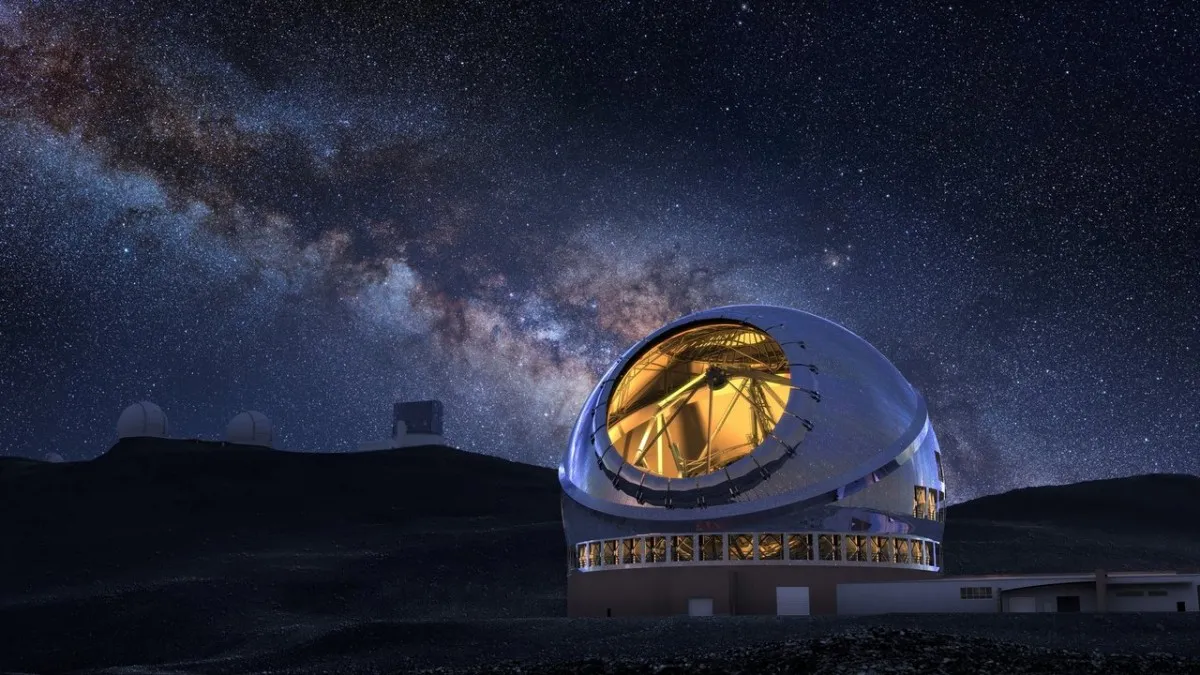
Ladakh has some of the darkest skies accessible from any tourist destination in Asia — and Hanle, in the Changthang plateau, has been formally designated as India's first Dark Sky Reserve.
At Pangong Lake, after the generators switch off at 11 PM, the sky is genuinely extraordinary. With no light pollution within 100 km, thin high-altitude air, low humidity, and clear June–September nights, the Milky Way is visible to the naked eye as a dense band of light. Stars that are invisible from any Indian city become so numerous and bright that the sky looks genuinely different from anything most travellers have experienced before.
Hanle Dark Sky Reserve: 250 km from Leh, Hanle hosts India's highest astronomical observatory and has the darkest measured skies in Asia. The dedicated stargazing experience here — with telescopes, local guides explaining the Milky Way, and the Hanle Monastery on the hill above — is one of Ladakh's most extraordinary nights.
What to know:
Carry a red-light torch rather than a white one — preserves your night vision
A blanket or sleeping bag is essential even in July — temperatures drop sharply after midnight
New moon nights give the best stargazing (check the lunar calendar when planning)
The Hanle Dark Sky Reserve requires an Inner Line Permit for the area
8. Walk the Chadar (Frozen River Trek)
Best Time: January–February ONLY Cost: ₹16,000–₹28,000 per person (8–9 days, guided package) Best For: Serious adventure travellers, winter trekking enthusiasts Duration: 8–9 days
The Chadar Trek is unlike any other experience in Indian travel — full stop.
In January and February, the Zanskar River freezes into a thick sheet of ice — the chadar (blanket) — creating a walking route through a 200-metre-high ice canyon that Zanskar villagers used for centuries to travel to Leh before roads existed. Walking on the frozen Zanskar for 62 km, camping on ice shelves at -20°C, watching frozen waterfalls hanging above you in the canyon walls, and experiencing a silence so complete that your own footsteps on the ice are the loudest thing — this is not a trek so much as an entirely different relationship with the natural world.
The challenge here is not altitude but cold. Temperatures regularly drop to -20°C or below at night. Proper gear — insulated boots rated to -30°C, down sleeping bag rated to -25°C, layered base, mid and outer systems — is non-negotiable.
What to know:
Only available January–February — the frozen season has become shorter and less predictable with climate change; confirm with operators about ice conditions before booking
A licensed local guide who knows the Chadar's daily condition is essential — the ice changes every day
Physical fitness required — not extreme, but sustained cold-weather walking for 8+ days demands preparation
Leh in January is very cold even before the trek begins — factor in 2–3 acclimatisation days
9. Visit Leh Palace and Shanti Stupa
Best Time: May–October (though open year-round) Cost: Leh Palace entry ₹50–₹100; Shanti Stupa free Best For: All travellers — cultural, historical, photographic interest Duration: 2–3 hours combined
These two Leh landmarks are the ideal activities for your acclimatisation days — accessible, culturally rich, and among the most visually striking structures in the city.
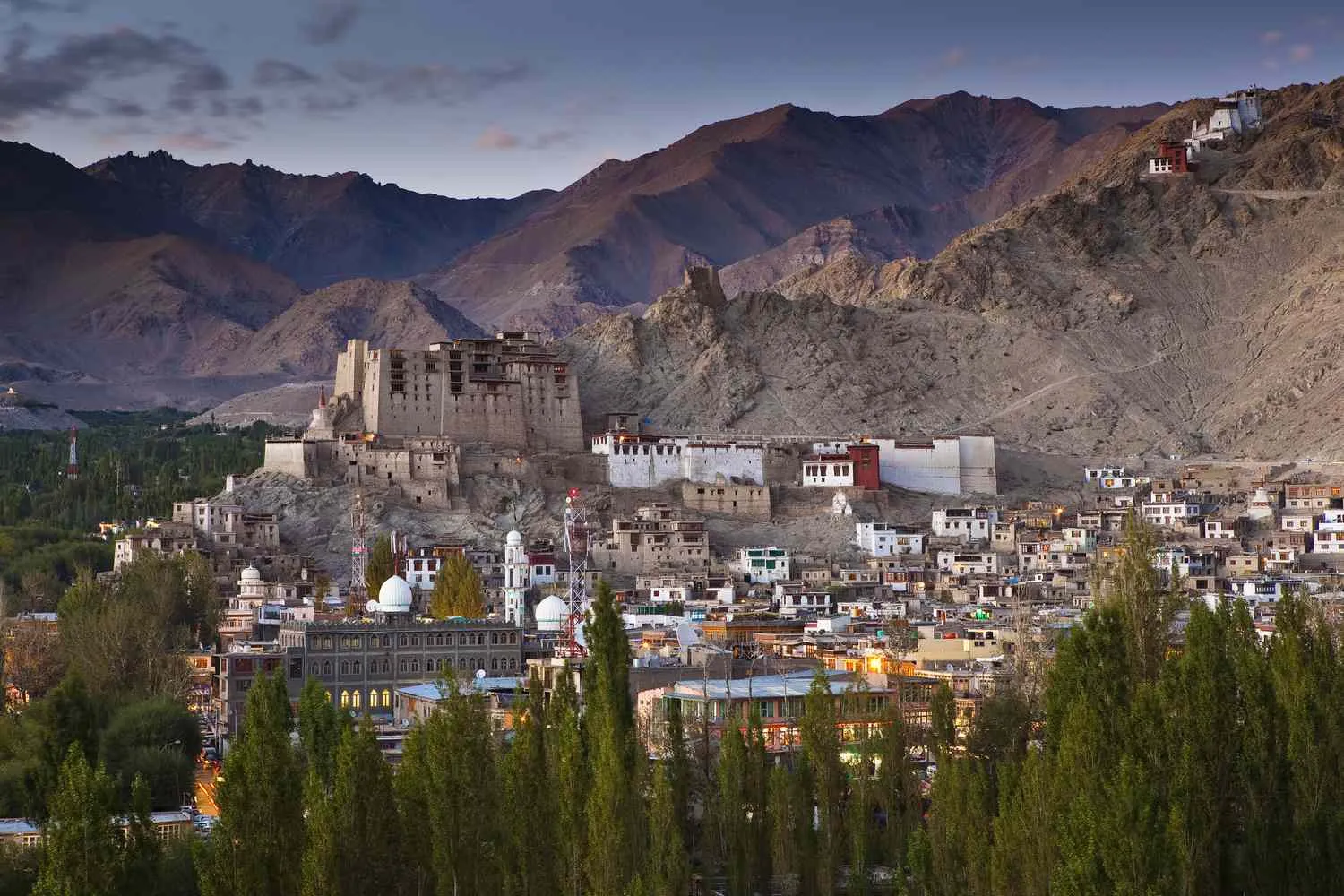
Leh Palace sits above the old town — a 17th-century nine-storey royal residence built by King Sengge Namgyal, modelled on the Potala Palace in Lhasa. The palace is now partially restored by the Archaeological Survey of India and houses a small but excellent museum of royal artefacts, Buddhist artwork and historical photographs. The rooftop view over Leh — the Indus Valley, the Zanskar range, the old town lanes below — is one of the finest urban panoramas in the Indian Himalaya.
Shanti Stupa is a white-domed Buddhist stupa built by Japanese monks in 1991, perched on a separate hilltop above Changspa. The 20-minute climb from the road rewards with the best sunset view in Leh — the entire Ladakh Valley lit gold, Leh Palace visible on the opposite ridge, and the Stok Kangri massif filling the southern sky.
What to know:
Visit Leh Palace in the morning when the light falls on the front facade
Shanti Stupa is best at sunset — arrive 30 minutes before sundown for the best position
Both can be combined in a comfortable afternoon on Day 2 of your Ladakh trip
The walk from Changspa to Shanti Stupa takes 20 minutes uphill — allow extra time at altitude
10. Drive to Magnetic Hill, Sangam & Gurudwara Pathar Sahib
Best Time: May–October Cost: Free (no entry charges); taxi from Leh approximately ₹1,500–₹2,000 for the full circuit Best For: All travellers, families, first-timers, those with limited physical activity Duration: 2–3 hours (as a half-day trip from Leh)
This trio of roadside stops on the Srinagar–Leh highway is one of Ladakh's most satisfying half-day excursions — accessible to all, free of charge, and covering a remarkable range of character within 30 km of Leh.
Magnetic Hill is the famous optical illusion where vehicles appear to roll uphill on their own — a trick of the surrounding landscape creating a false horizon. Park at the designated spot, put the car in neutral, and watch. The science is simple, the effect is convincing, and it is one of those moments that produces genuine laughter regardless of how many times you have been told the explanation.
Gurudwara Pathar Sahib is a beautifully maintained Sikh shrine 25 km from Leh — built to honour Guru Nanak Dev Ji's visit to Ladakh. The gurugdwara is serene, immaculately kept (largely by the Indian Army), and offers free langar (community meal) to all visitors. Stopping here is as much a cultural and spiritual experience as a sightseeing one.
Sangam Point is where the Indus and Zanskar rivers merge — two rivers of visibly different colours joining in the same channel. The contrast between the dark Zanskar water and the lighter Indus is visible with the naked eye and creates one of Ladakh's most striking natural photography moments. The gorge walls rising hundreds of metres above the confluence are dramatic from every angle.
What to know: This circuit works beautifully as a morning excursion on your acclimatisation Day 2 — gentle, no altitude gain beyond Leh's base level, and varied enough to feel like a full morning out.
Bonus: Things to Do in Ladakh for Specific Traveller Types
For Couples
Overnight at Pangong Lake (Saser Scenic Pangong, Merak Village)
Sunset at Shanti Stupa
Stargazing at Hanle Dark Sky Reserve
Monastery circuit morning walk at Thiksey (sunrise prayers)
For Families with Children
Bactrian camel ride in Nubra Valley (Hunder dunes)
Magnetic Hill and Sangam (accessible, free, fun)
Beginner river rafting on Nimmu–Saspol (Indus, Grade 2–3)
ATV rides at Solang-equivalent zones near Leh
For Solo Travellers
Markha Valley Trek (homestay network, meet other trekkers)
Cycling routes around Leh (Stok, Thiksey, Stakna)
Leh Bazaar and old town exploration on foot
Hemis and Thiksey early morning visits (minimal crowds before 8 AM)
For Adventure Seekers
Chadar Trek (January–February)
Zanskar River rafting (Grade 3–4)
Mountain biking to Khardung La
Kang Yatse or Dzo Jongo peak expedition (6,000m)
Best Time for Activities in Ladakh
ActivityBest SeasonNotesPangong campingJune–SeptemberBook in advance; September quietestKhardung La rideMay–OctoberSnow at top even in JuneNubra ValleyMay–OctoberJune–July warmestMarkha Valley TrekJune–SeptemberSeptember: fewer people, best skiesMonastery visitsYear-roundMay–October most practicalRiver raftingJune–SeptemberJune–July peak flowStargazingYear-roundJune–September clearest nightsChadar TrekJanuary–February onlyCold weather gear essentialLeh Palace + StupaYear-roundMay–October most accessibleMagnetic Hill circuitMay–OctoberWinter road closures possible
Cost Summary: Things to Do in Ladakh
ActivityBudget CostMid-RangePremiumPangong camping (per night)₹2,500₹5,000₹10,000+Khardung La (by taxi, shared)₹500–₹800₹1,500₹3,500 (private)Camel ride, Nubra₹400–₹600——ATV ride, Nubra₹800₹1,200—River rafting (Indus beginner)₹800₹1,500₹2,500Monastery circuit (taxi)₹1,500 (shared)₹2,500₹4,000 (private)Markha Valley Trek (7 days)₹12,000 (budget)₹20,000₹28,000+Chadar Trek (8–9 days)₹16,000₹22,000₹28,000Stargazing PangongFree——Leh Palace + Stupa₹50–₹100——
Tips Before You Do Any of These Activities
Acclimatise first — everything else second: Two full rest days in Leh before any strenuous activity. Non-negotiable.
Carry an Inner Line Permit: Required for Pangong, Nubra, Turtuk and Hanle. Apply online at lahdclehpermit.in (₹590 per person).
Carry cash: Most activity operators, camps and remote guesthouses are cash-only. Withdraw ₹15,000–₹20,000 in Leh before heading out.
Start early every day: Ladakh mornings are clear, cold and uncrowded. Afternoons bring tourist buses. Every single activity is better before 10 AM.
Sun protection is serious at altitude: SPF 50+ every 90 minutes on exposed skin. Polarised sunglasses. A hat with a brim. UV at 3,500m+ is severe.
Book camps and treks in advance: June–August is peak season. Pangong lakeside camps, popular trekking guides and Chadar Trek operators all fill well ahead of time.
Conclusion
Ladakh gives you things to do across every category of travel experience — and then it adds altitude, silence, and a landscape of such scale and drama that the activities themselves become secondary to the experience of simply being there.
Camp at Pangong. Ride to Khardung La. Sit in a 1,000-year-old monastery at dawn with monks chanting in the half-dark. Stand at the Sangam where two rivers meet in different colours. Watch the Milky Way from 4,350 metres above sea level. Walk on a frozen river in January.
These are not items on a list. They are the reasons Ladakh stays with you.
Planning your Ladakh trip? Go2Ladakh.in curates complete itineraries across all activity types — trekking, camping, road trips, cultural circuits and winter expeditions — with permits, stays and logistics handled from start to finish.
FAQs: Things to Do in Ladakh
Q1. What is the most popular thing to do in Ladakh?
Camping at Pangong Tso is consistently the most sought-after experience in Ladakh — followed closely by riding to Khardung La, exploring Nubra Valley, and the monastery circuit from Leh. For first-time visitors, the combination of these four covers the essential Ladakh experience.
Q2. What are the best free things to do in Ladakh?
Sunrise at Shanti Stupa, the Sangam (Indus–Zanskar confluence), Magnetic Hill, and stargazing at Pangong after 11 PM are all free. The monastery circuit has modest entry fees (₹30–₹100 per site) that are well worth paying.
Q3. What can you do in Ladakh in 3 days?
Three days from Leh is tight but workable: Day 1 — rest and acclimatise, Leh Palace and Shanti Stupa. Day 2 — Monastery circuit (Thiksey, Hemis, Stakna). Day 3 — Nubra Valley via Khardung La (stay overnight) or Pangong day trip. Four to five days allows a much more complete experience.
Q4. Is Ladakh good for families with children?
Yes — with appropriate planning. The camel safari in Nubra, ATV rides, Magnetic Hill, Shanti Stupa, and the monastery circuit are all family-friendly. Allow 2 full rest days in Leh for altitude acclimatisation before heading to higher destinations like Pangong (4,350m). Watch children carefully for altitude symptoms.
Q5. What is the best thing to do in Ladakh in winter?
The Chadar Trek (January–February) is the standout winter experience — walking on the frozen Zanskar River through an ice canyon is genuinely unlike anything else in India. The Snow Leopard Trek (January–February, Rumbak Valley in Hemis National Park) is the other great winter activity. Leh itself in winter is cold but accessible, and several monasteries host winter festivals.
#ladakh#travel#tour#mountains#peace