Discover the best adventure sports in Leh Ladakh, trekking, rafting, biking & more. Get practical tips, costs, best seasons, permits & safety advice for 2026.
Adventure Sports in Leh Ladakh: The Complete Guide for Thrill-Seekers
If you are looking for the ultimate adventure in India, Leh Ladakh is the answer. Perched at an average altitude of 3,500 metres above sea level, this high-altitude desert offers some of the most thrilling adventure sports in the country. From white-water rafting on glacial rivers to trekking across frozen lakes, the adventure activities in Leh Ladakh push you beyond your limits in the most spectacular settings on earth. Whether you are a first-timer or an experienced adventurer, this guide covers everything you need to plan a safe and unforgettable Ladakh adventure trip.
Key Takeaways
Ladakh offers over 12 distinct adventure sports, from summer rafting to winter ice trekking.
The best time for most adventure activities in Leh Ladakh is between May and October.
Acclimatisation is not optional , spend at least 2 full days resting in Leh before any strenuous activity.
Indian nationals need an Environment Fee (previously known as the Inner Line Permit) to visit restricted areas like Nubra Valley and Pangong Lake.
Always book adventure activities through certified and registered local operators for safety.
Why Ladakh Is India's Top Adventure Destination
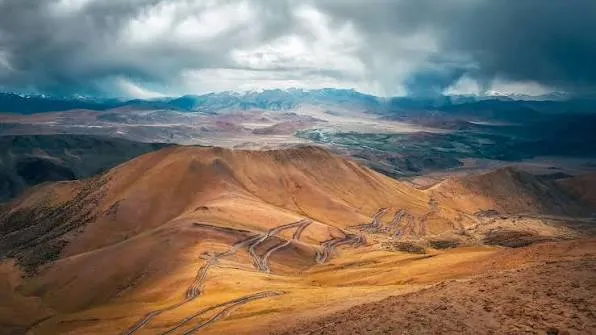
Leh Ladakh is not just a beautiful place to visit , it is one of the few places in the world where geography, altitude, and wilderness combine to create a natural adventure park. The region sits at the meeting point of the Himalayas and the Karakoram Range, giving it a terrain that is unlike anywhere else in India.
The high passes, glacier-fed rivers, rocky valleys, and wide-open skies create the perfect backdrop for adventure sports in Leh. What sets Ladakh apart from other Indian adventure destinations like Rishikesh or Manali is the sheer variety of activities across different seasons. Summer and monsoon bring white-water rafting and trekking, while winter unlocks rare experiences like walking on a frozen river.
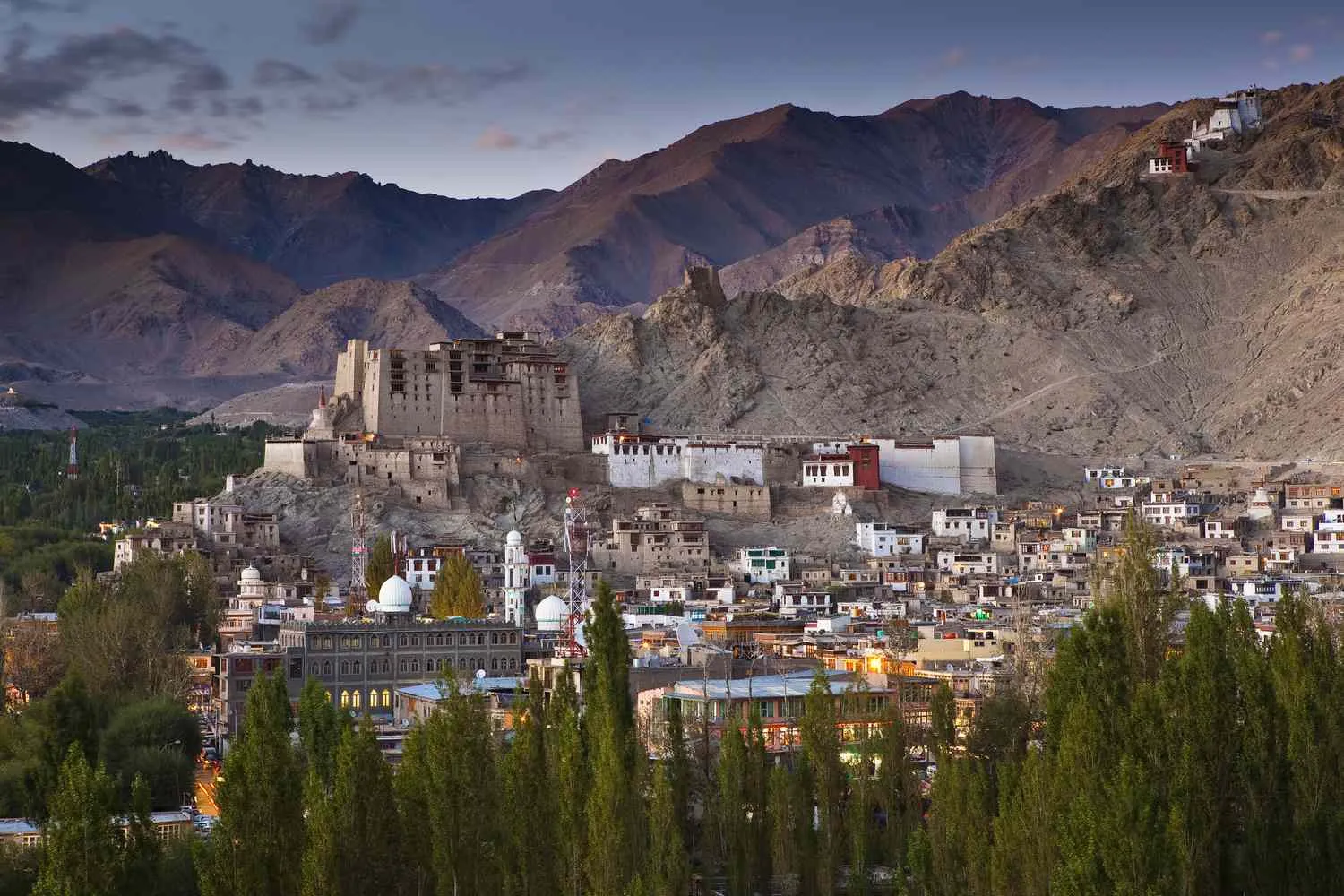
A quick fact to put this in perspective: Leh, the main city in Ladakh, sits at 3,524 metres above sea level. Many adventure spots like Khardung La (5,359 metres) and Pangong Lake (4,350 metres) are significantly higher. This altitude is part of what makes every activity feel like a genuine achievement.
Adventure Suitability Quick Reference Table
Before diving into specific activities, here is a quick overview to help you choose what suits your fitness and experience level.
Adventure Activity
Best Season
Difficulty
Suitable For
Approx. Cost (Per Person)
River Rafting (Indus – Easy)
June–October
Easy
Beginners
₹600–₹1,200
River Rafting (Zanskar)
June–September
Advanced
Experienced rafters
₹2,500–₹5,000
Trekking (Markha Valley)
July–September
Moderate
Fit beginners
₹8,000–₹20,000 (with guide)
Chadar Trek (Frozen River)
January–February*
Hard
Experienced trekkers
₹25,000–₹60,000
Mountain Biking
June–October
Moderate–Hard
Experienced cyclists
₹1,500–₹3,000/day (rental)
Motorbike Touring
May–October
Moderate
Riders with experience
₹800–₹2,500/day (rental)
Paragliding
June–September
Easy (tandem)
All levels (tandem)
₹1,500–₹3,000
Camping
May–October
Easy
All levels
₹1,500–₹4,000/night
Mountaineering (Stok Kangri)
July–September
Expert
Experienced climbers
₹15,000–₹40,000
Mountain Biking (Khardung La)
July–September
Expert
Advanced cyclists
₹1,500–₹3,000 (rental)
Camel Safari (Nubra Valley)
June–September
Easy
All levels
₹300–₹600
Snow Leopard Safari
January–March
Moderate
Wildlife enthusiasts
₹5,000–₹15,000
*Travel Note: The Chadar Trek was suspended in both 2025 and 2026 due to inadequate freezing of the river. Always check with the Leh District Administration before booking.
Best Adventure Sports in Leh Ladakh , Detailed Guide
1. White-Water River Rafting
River rafting is arguably the most popular adventure activity in Ladakh, and it is easy to see why. The Indus and Zanskar rivers cut through dramatic canyon landscapes, offering some of the most visually stunning rafting routes in Asia.
Indus River Rafting , Best for Beginners
The Indus River offers a more manageable rafting experience and is ideal for those trying it for the first time. The most popular beginner stretch runs from Spituk to Nimmu, covering roughly 25 kilometres. The rapids are mostly Grade II to III, making them exciting without being dangerous.
Key details:
Best time: June to October
Duration: 2–3 hours
Difficulty: Easy to Moderate
Ideal for: Families, beginners, first-time rafters
Zanskar River Rafting , For the Experienced
The Zanskar River is in a different league. It flows through one of the most remote gorges in the Himalayas, often called the "Grand Canyon of Asia." The rapids here reach Grade IV and V, requiring proper training and physical fitness.
Key details:
Best time: June to September (when Zanskar is accessible)
Duration: 4–8 hours depending on the route
Difficulty: Hard to Expert
Ideal for: Experienced rafters and serious adventure seekers
Expert Tip: Never raft without a life jacket and certified guide. Certified operators in Leh follow the Adventure Tour Operators Association of India (ATOAI) guidelines for water sports safety.
2. Trekking in Ladakh , Multiple Routes for All Levels
Trekking is at the heart of the Ladakh adventure experience. Unlike tourist trails in Himachal Pradesh, Ladakh treks are remote, physically demanding, and visually extraordinary. High-altitude passes, ancient monasteries, and traditional villages make every trail a cultural journey as well.
Best Trekking Routes in Ladakh
Markha Valley Trek This is one of the most popular routes for both beginners and experienced trekkers. The trail takes about 7–8 days and passes through Hemis National Park, remote Ladakhi villages, and the Ganda La pass at approximately 4,900 metres. It offers a rare mix of natural beauty and authentic culture.
Stok Kangri Base Camp Trek For those who want a high-altitude challenge without mountaineering experience, the Stok Kangri base camp trek is a solid option. The base camp sits at about 5,000 metres, and the views of the Stok Range are breathtaking.
Sham Valley Trek (Lamayuru to Alchi) Often called the "Baby Trek" by locals, this 4–5 day route is perfect for first-time Ladakh trekkers. It is less physically demanding but still offers stunning scenery and visits to ancient monasteries.
Nubra Valley to Pangong Tso Trek This advanced multi-day route connects two of Ladakh's most iconic destinations across remote passes. It is for experienced trekkers with good physical fitness and acclimatisation.
Practical trekking tip: Always hire a certified local guide. Apart from safety, local guides understand the terrain, weather patterns, and can communicate with villagers during emergencies. The average guide fee ranges from ₹1,500 to ₹2,500 per day.
3. Mountain Biking and Cycling
Cycling in Ladakh is not for the faint-hearted. The roads are rough, the altitude is crushing, and the distances are vast. But for those who take on the challenge, cycling across Ladakh's high-altitude passes is an experience that stays with you for life.
Top Cycling Routes
Khardung La Pass (5,359 metres) Khardung La is one of the highest motorable roads in the world. Cycling from Leh to the summit and back is a bucket-list challenge for serious cyclists. The total elevation gain and thin air make it genuinely demanding.
Leh to Hemis A more manageable day-ride from Leh, this route passes through the Indus Valley and ends at the famous Hemis Monastery. Distance is around 40 kilometres one way.
Leh to Alchi A 70-kilometre ride following the Indus River through dramatic landscapes. This is suitable for moderately fit cyclists.
What to rent: Mountain bikes in Leh are available for approximately ₹600–₹1,500 per day, depending on the quality. Higher-end bikes suitable for Khardung La cost more.
Important: Carry sufficient water, snacks, a basic repair kit, and sun protection. The UV index at high altitude is extremely high, and dehydration at altitude can escalate to AMS quickly.
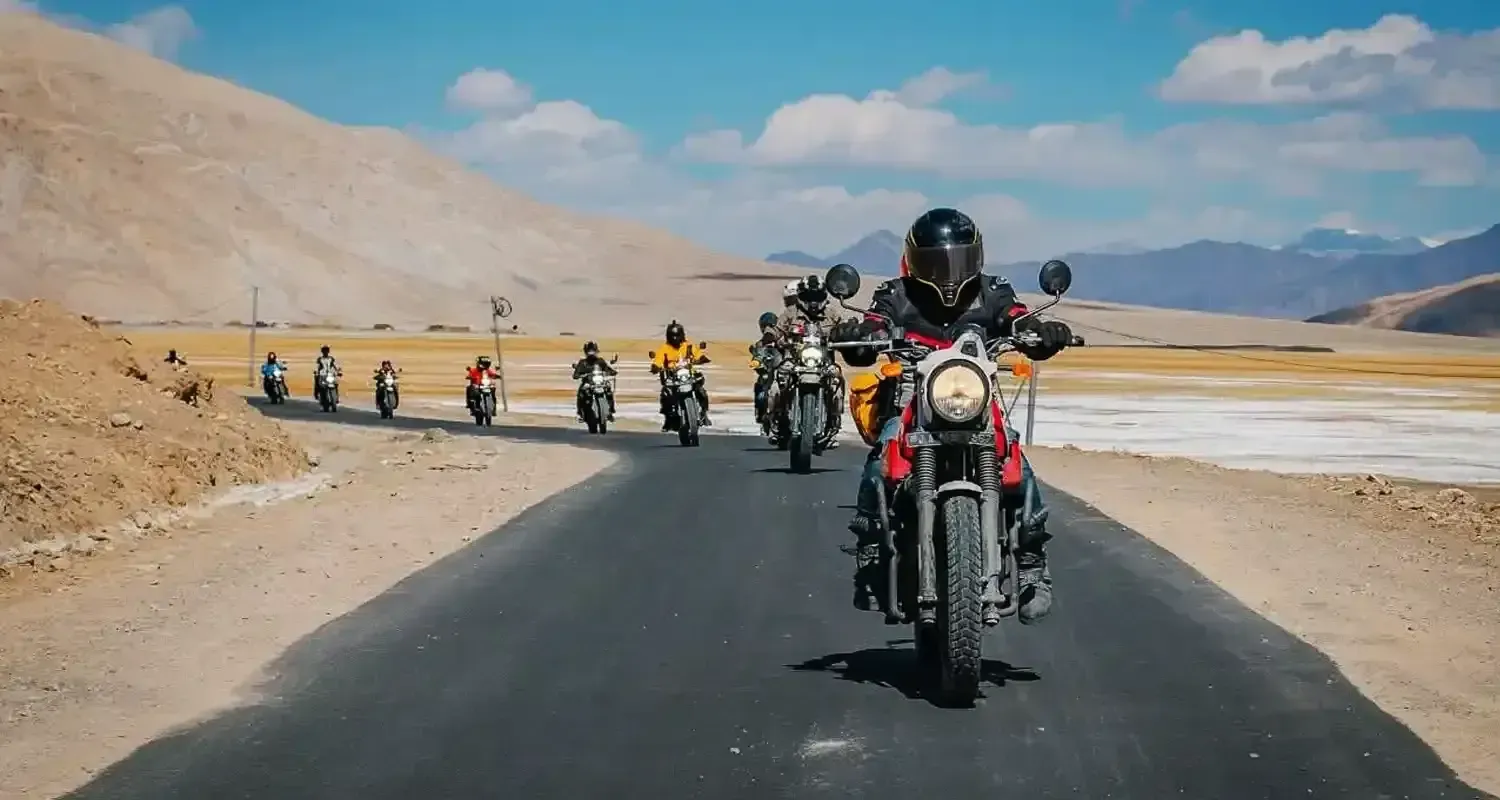
4. Motorbike Touring , The Iconic Leh Ladakh Adventure
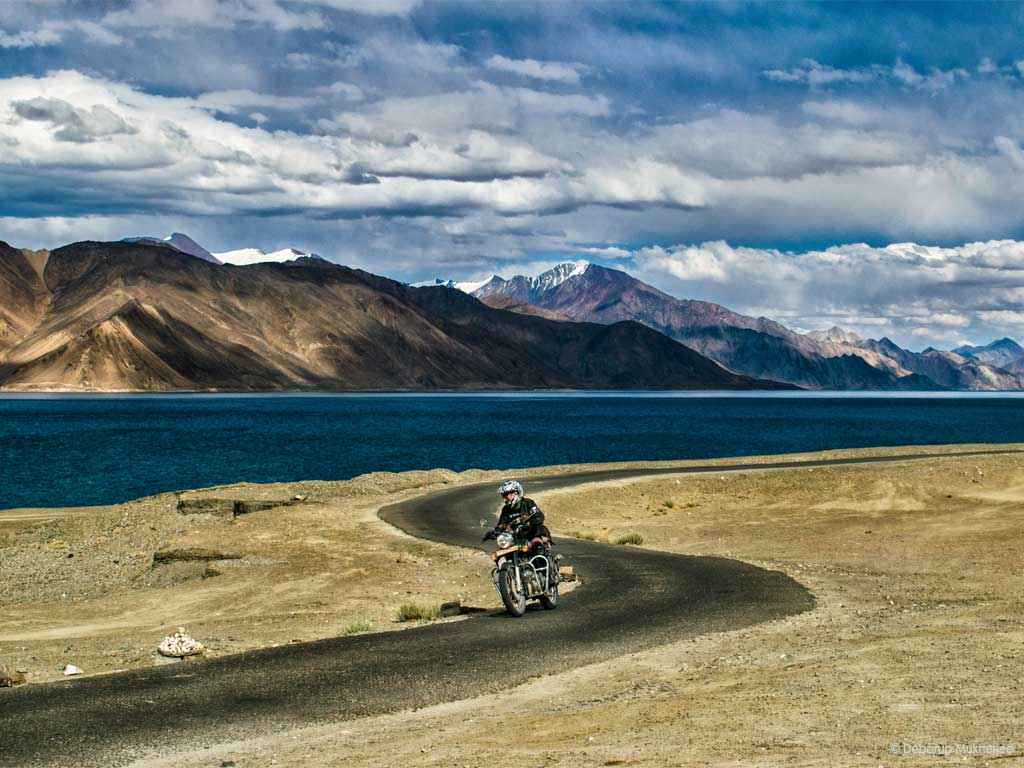
Motorbike touring is perhaps the most iconic of all adventure activities in Leh Ladakh. Thousands of riders from across India make the pilgrimage every summer on everything from Royal Enfields to adventure motorcycles.
The Manali-Leh Highway (476 km) and the Srinagar-Leh Highway (434 km) are the two most popular routes. Both involve high mountain passes and challenging road conditions.
Top Riding Routes
Route
Distance
Duration
Key Highlights
Manali to Leh
476 km
2 days
Baralacha La, Lachung La, Tanglang La
Srinagar to Leh
434 km
2 days
Zoji La, Drass, Kargil, Fotu La
Leh to Nubra Valley (via Khardung La)
120 km
1 day
Khardung La, Diskit, Hunder sand dunes
Leh to Pangong Lake (via Chang La)
155 km
1 day
Chang La, Pangong Tso
Leh to Umling La
240 km
1 day
Umling La (world's highest motorable road at 5,883 m)
Permit Note: Indian nationals need to pay the Environment Fee (EDF) to visit areas like Nubra Valley, Pangong Tso, and Tso Moriri. This can be done online through the official LAHDC Leh portal at lahdclehpermit.in. The base fee starts at ₹400 per person plus a daily charge of ₹20 per day per person.
Bike Rental Tip: Reputable bike rental shops are located along Fort Road and Changspa Road in Leh. Always inspect brakes, tyres, and engine oil before setting off. Confirm the rental agreement includes roadside support.
5. Paragliding in Ladakh
Paragliding offers a bird's-eye view of Ladakh's extraordinary landscape , the brown mountains, turquoise rivers, and whitewashed monasteries spread below you as you soar silently above.
The main paragliding sites are near Leh and in the Nubra Valley. Most tourists opt for tandem paragliding, where you fly with a certified pilot and no prior experience is needed.
Key details:
Best time: June to September
Duration: 10–20 minutes (tandem)
Cost: ₹1,500–₹3,000 per person
Suitable for: All levels (tandem); solo only for licensed pilots
Safety note: Always check that your operator is licensed by the Directorate General of Civil Aviation (DGCA). Do not fly with unlicensed operators, regardless of how much they reduce the price.
6. Chadar Trek , Walking on a Frozen River
The Chadar Trek is one of the most extraordinary winter adventures in the world. "Chadar" means sheet or blanket in Hindi and Ladakhi , a reference to the sheet of ice that forms over the Zanskar River each January and February.
Trekkers walk along the frozen surface of the river, camping in caves along the riverbanks and sleeping under a canopy of stars in temperatures that can drop to minus 20–25 degrees Celsius.
Key details:
Best time: January–February (when the river is sufficiently frozen)
Distance: Approximately 62–70 km one way
Duration: 8–10 days including acclimatisation
Difficulty: Hard
Cost: ₹25,000–₹60,000 depending on the operator and package inclusions
Critical 2025–2026 Travel Note: The Chadar Trek was officially suspended by the District Disaster Management Authority (DDMA) of Leh in January 2026, and was also cancelled in 2025, because the Zanskar River did not freeze adequately. Climate change is increasingly affecting the reliability of this trek. Always verify the current status directly with the Leh DC Office or a registered local operator before booking.
If you are planning for future years: Book flexible or refundable tickets when travelling in winter, as weather-related cancellations are becoming more common.
7. Mountaineering , Stok Kangri and Beyond
For serious climbers, Ladakh offers access to several peaks that range from accessible to highly technical.
Stok Kangri (6,153 metres) is the most popular mountaineering objective in Ladakh. It has historically been considered suitable for ambitious trekkers with some prior high-altitude experience, though it does require crampons, ice axes, and a guided team.
Travel Note: As of recent seasons, Stok Kangri has faced increasing regulatory scrutiny. Always check with the Indian Mountaineering Foundation (IMF) and Ladakh Tourism for the latest permit requirements before planning a summit attempt.
Other climbing options include peaks in the Zanskar Range and the Saser Kangri massif, which are strictly for experienced high-altitude climbers with full expedition support.
8. Wildlife Safari , Snow Leopard Tracking
This is a unique adventure that very few people associate with Leh Ladakh, but it is one of the most special experiences the region offers. Hemis National Park , the largest national park in India by area , is one of the best places in the world to spot the elusive snow leopard in its natural habitat.
Key details:
Best time: January to March (peak sighting season; snow leopards descend to lower altitudes following their prey)
Location: Hemis National Park, Rumbak Valley
Duration: 3–7 day safari
Cost: ₹5,000–₹15,000 per person depending on duration and accommodation
Snow leopard sightings are never guaranteed, but this region has one of the highest densities of snow leopards anywhere in the world. Patience and early morning starts significantly improve your chances.
9. Camel Safari in Nubra Valley
The Nubra Valley surprises most first-time visitors. In the middle of the high-altitude desert between Khardung La and the Shyok River lies a stretch of actual sand dunes at Hunder. Here, you can ride Bactrian camels (the double-humped variety) across the dunes with the snowcapped Karakoram Range as a backdrop.
This is a gentler, family-friendly adventure that still feels wonderfully out-of-place and unique.
Key details:
Best time: June to September
Duration: 30–45 minutes per ride
Cost: ₹300–₹600 per person
Suitable for: All ages, families
10. Camping Under the Stars
Ladakh's skies are among the clearest in the world, free from light pollution and cloud cover for most of the summer. Camping beside Pangong Lake, in the Nubra Valley sand dunes, or on the Chandratal Lake shore (on the Manali side) is an experience that is difficult to replicate anywhere else in India.
Key details:
Best time: June to September (October can get very cold overnight)
Popular sites: Pangong Tso, Nubra Valley, Tso Moriri, Chandratal Lake, Sarchu
Cost: ₹1,500–₹4,000 per night (depending on tent quality and meal inclusions)
Responsible camping note: Carry your waste out with you. The Leave No Trace principle is essential in Ladakh, where the fragile ecosystem is already under pressure from increasing tourist numbers.
Permits and Fees for Adventure Travel in Ladakh
Getting your paperwork right before any adventure activity is essential. Here is a simplified breakdown.
Environment Fee (EDF) , For Indian Nationals
The old Inner Line Permit (ILP) system has now largely been replaced by the Environment Fee for Indian nationals. You need this to visit:
Nubra Valley (Khardung La, Diskit, Hunder, Turtuk)
Pangong Tso
Tso Moriri
Hanle
Dah and Hanu Villages
How to apply: Online at lahdclehpermit.in (official LAHDC Leh portal). You can also apply in person at the DC Office, opposite J&K Bank, Main Market, Leh.
Cost: ₹400 base fee per person + ₹20 per day per person (as per information from the official portal; verify current fees at lahdclehpermit.in before travel, as these may be updated).
Protected Area Permit (PAP) , For Foreign Nationals
Foreigners require a Protected Area Permit, valid for up to 15 days, from the DC Office in Leh. Unlike Indian nationals, foreigners cannot get this online and must apply in person.
Trekking and Mountaineering Permits
High-altitude treks in restricted or national park areas may require separate permits from Ladakh Tourism and the Indian Mountaineering Foundation (IMF). Always confirm with your operator well in advance.
Acclimatisation , The One Rule You Must Not Break
Every experienced Ladakh traveller will tell you the same thing: acclimatisation saves lives and holidays. Ladakh sits at 3,524 metres, and popular adventure destinations go significantly higher. Rushing into strenuous activity without proper adjustment puts you at serious risk of Acute Mountain Sickness (AMS).
What is AMS?
AMS (Acute Mountain Sickness) is the body's reaction to reduced oxygen at altitude. At over 3,000 metres, around 75% of people experience at least mild symptoms. AMS symptoms typically appear 6–24 hours after arriving at altitude and include headache, nausea, dizziness, fatigue, loss of appetite, and disturbed sleep.
More serious conditions , High Altitude Pulmonary Oedema (HAPE) and High Altitude Cerebral Oedema (HACE) , can be life-threatening if not treated immediately.
Acclimatisation Guidelines for Adventure Travellers
Day 1 in Leh: Rest completely. Do not trek, cycle, or do any strenuous activity. Drink at least 3–4 litres of water. Avoid alcohol and smoking.
Day 2 in Leh: Take a gentle local sightseeing walk. Do not push your pace. Eat light meals.
Day 3 onwards: You can begin low-intensity adventure activities like short bike rides or gentle hikes. High-altitude passes and demanding treks should wait until day 4 or later.
"Climb high, sleep low" principle: During acclimatisation, you can visit high-altitude places during the day but descend to Leh to sleep. This helps your body adjust gradually without overnight exposure to extreme altitude.
Medications: Diamox (Acetazolamide) can help speed up acclimatisation. Consult your doctor at least 2 weeks before travel to discuss whether this is suitable for you.
Season-by-Season Adventure Guide for Ladakh
Not every adventure activity is available year-round. Here is a clear, month-by-month breakdown.
Month
Road Access
Best Activities
Notes
January–February
Leh accessible only by air
Chadar Trek*, Snow Leopard Safari, Ice Climbing
Extreme cold (−20°C); Chadar Trek subject to cancellation
March–April
Srinagar–Leh Highway opens (approx. March)
Snow Leopard Safari, Early season acclimatisation treks
Limited activities; unpredictable weather
May–June
Both highways open; tourist season begins
Motorbike touring, river rafting, trekking, paragliding, camping
Best time to avoid crowds before peak season
July–August
Peak season; all roads open
All adventure activities at full capacity
Busiest period; book well in advance
September–October
Roads open; tourist numbers declining
Trekking, cycling, rafting, camping
Excellent weather; post-monsoon clarity; ideal season
November–December
Roads begin closing from November
Limited activities; early winter camping
Cold; most operators close; only for experienced travellers
*Chadar Trek subject to weather conditions and official approval; check DDMA Leh for current status.
Common Mistakes to Avoid in Ladakh Adventure Travel
Mistake 1: Skipping acclimatisation This is the single most dangerous mistake. No adventure activity is worth a medical emergency at altitude. Give yourself at least 2 full rest days in Leh.
Mistake 2: Booking through unverified operators Always choose operators registered with Ladakh Tourism, ATOAI, or other recognised bodies. Cheap, unverified operators may cut corners on safety equipment and certifications.
Mistake 3: Underestimating the weather Ladakh weather changes fast. A sunny morning can turn into a hailstorm by afternoon, especially in July and August. Carry waterproof layers and always check forecasts before heading into remote areas.
Mistake 4: Ignoring the permit process Travelling to restricted areas without the required Environment Fee or permits can result in being turned back at checkpoints, especially in border zones like Nubra Valley and Pangong.
Mistake 5: Overpacking or under-packing High-altitude adventure requires specific gear. Layers are more useful than heavy jackets. Trekking poles, sun protection (SPF 50+), and a good water bottle are non-negotiables.
Mistake 6: Relying solely on mobile data Mobile coverage in Ladakh is inconsistent and non-existent in many remote valleys. Download offline maps (Maps.me or Google Maps offline) and carry a printed route map for long bike rides and treks.
Expert Tips for Your Ladakh Adventure Trip
Tip 1: Arrive by road, not air, if possible Flying directly to Leh at 3,524 metres gives your body a sudden altitude shock. Travelling by road from Manali or Srinagar allows for a more gradual ascent and natural acclimatisation, especially through the mountain passes.
Tip 2:Book adventure activities locally, in Leh Local operators offer better prices than large online booking platforms, and you get the benefit of meeting them in person to assess their safety standards. The Fort Road and Changspa Road areas in Leh are hub areas for reputable operators.
Tip 3: Start your outdoor activities early in the morning Weather deteriorates in Ladakh from early afternoon, especially during July and August. River levels also rise later in the day due to glacial melt. Plan all outdoor activities to be done by 2 PM.
Tip 4: Get travel insurance that covers high-altitude activities Standard travel insurance may not cover activities above 4,000 metres or adventure sports. Check your policy explicitly and get supplemental high-altitude adventure cover if needed.
Tip 5: Respect the wildlife and environment Ladakh's ecosystem is fragile and legally protected. Do not disturb wildlife, do not litter, and follow all national park regulations when trekking through Hemis National Park or other protected areas.
Conclusion
Ladakh stands apart as India's most extraordinary adventure destination , not just for the activities it offers, but for the scale and beauty of the setting in which you experience them. Whether you are attempting your first Grade II river rapid on the Indus, cycling up to Khardung La, or silently watching a snow leopard cross a ridge in Hemis, adventure in Leh Ladakh leaves a mark that no other destination can replicate. Plan carefully, acclimatise properly, book with certified operators, and get your permits sorted before you go. Do all of that, and your Ladakh adventure trip will be among the most memorable journeys of your life. The mountains are waiting , go well prepared.
Frequently Asked Questions (FAQs)
Q1. What is the best time for adventure sports in Leh Ladakh?
The overall best time is July to September, when all roads are open, the weather is most stable, and the full range of activities , rafting, trekking, cycling, paragliding, and camping , is available. May and June are excellent for those who want to avoid peak crowds. For snow-specific activities like the Chadar Trek, January–February is the window, though this is subject to weather and official approval each year.
Q2. Is adventure in Ladakh suitable for beginners?
Yes, but only if you plan correctly. Activities like tandem paragliding, Indus River rafting, camel safari, and Sham Valley trekking are suitable for beginners with no prior experience. However, every beginner must complete at least 2 full days of acclimatisation in Leh before attempting any physical activity, regardless of how fit they are.
Q3. Do I need a permit for adventure activities in Ladakh?
The permit requirement depends on where the activity takes place. For trekking and biking within Leh city limits, no permit is needed. However, visiting restricted areas like Nubra Valley, Pangong Lake, Tso Moriri, and Hanle requires an Environment Fee (formerly known as the Inner Line Permit) for Indian nationals. Apply online at lahdclehpermit.in before your trip.
Q4. Is the Chadar Trek safe and is it happening in 2026?
The Chadar Trek was officially suspended in both 2025 and 2026 due to the Zanskar River not freezing adequately , linked to milder winter temperatures. The safety concern is serious; walking on partially frozen ice is life-threatening. Always confirm the status of the trek with the DDMA Leh or your registered operator before making any bookings or travel arrangements.
Q5. What should I carry for adventure activities in Ladakh?
Essential gear includes warm base layers and waterproof outer layers, SPF 50+ sunscreen and sunglasses (UV at altitude is intense), a water bottle (aim for 3–4 litres daily), any personal medication plus basic first aid, offline maps downloaded on your phone, a portable phone charger, and energy snacks for the trail. For trekking specifically, trekking poles, a good pair of broken-in boots, and a sleeping bag rated for −10°C minimum are recommended.
Q6. How do I avoid altitude sickness during adventure activities?
The key steps are: rest completely on your first day in Leh; drink at least 3–4 litres of water daily; avoid alcohol and smoking; eat light, carbohydrate-rich meals; ascend slowly; and consult your doctor about Diamox (Acetazolamide) before travel. If you experience moderate or severe AMS symptoms , severe headache, vomiting, difficulty breathing, or loss of coordination , descend immediately and seek medical help. Do not ignore symptoms at altitude.
Q7. Are adventure sports in Leh Ladakh expensive?
Costs vary widely. Budget activities like Indus rafting (₹600–₹1,200), camel safari (₹300–₹600), or tandem paragliding (₹1,500–₹3,000) are very affordable. Multi-day experiences like the Chadar Trek (₹25,000–₹60,000) or Markha Valley trekking with a guide and support team (₹8,000–₹20,000+) cost more. Booking locally in Leh, rather than through online travel platforms, usually saves you 20–30%.
#adventure in ladakh ladakh#adventure sports in ladakh#sports in ladakh leh#ladakh adventure active#adventure leh#adventure activities in leh ladakh#active adventure ladakh#adventure sports in leh ladakh#adventure sports in leh#adventure in leh ladakh#adventure tour leh adventure activities#leh adventure trips#leh ladakh adventure activities#adventure activities in leh ladakh#adventure trip#adventure leh ladakh